Try Before You Buy: How Foreign Armies Can Test Ukrainian Drones on Their Own Ranges (2026 Update)
Global Miltech Legal legal team
Experts in export control and defence law

Коротко
Foreign armies and integrators can test Ukrainian defense systems on their own territory using a temporary-export permit issued by the SSECU. This process allows equipment to cross borders without the 20% export fees or the 15M UAH contract threshold required for commercial sales. Successful trials can then be converted into full supply contracts via the 30-day Fast Track mechanism available to Drone Deal partner nations.
Western procurement is evidence-driven: before committing budget, militaries want to fly the system with their own operators, in their own climate, on their own range. Ukrainian manufacturers can legally accommodate this—without a sale, without export fees, and without the minimum contract threshold. The instrument is the temporary-export permit, which remains the most effective way to bridge the gap between prototype and procurement.
How the procedure works
- SSECU permit: The manufacturer files an application stating the purpose (testing, demonstration, exhibition), duration abroad, and a binding return obligation.
- Receiving-side guarantees: The host must provide formal assurances regarding safekeeping, access control, a ban on third-party transfers, and a protocol for damage or loss.
- Temporary customs regime: Equipment crosses the border both ways without the fiscal deductions (20% export fees) that apply to commercial sales.
- Return control: The manufacturer closes its obligations to the State Service for Export Control of Ukraine (SSECU) once the equipment returns, or initiates a conversion to a full export contract.
Regulatory Landscape: The 2026 Context
As of late 2026, the regulatory environment for Ukrainian defense exports has matured. While the government introduced a 30-day 'Fast Track' for commercial exports to Drone Deal partner countries, temporary testing remains the preferred 'pre-contract' phase. Manufacturers must ensure they are registered with the SSECU and can demonstrate that export activities do not interfere with their primary obligations to the Ukrainian Defense Forces.
What the receiving side should prepare
For the foreign host, the paperwork is light but non-negotiable: a formal invitation or trial framework, named custody responsibility, site access rules, and a damage protocol. Getting these documents right accelerates the SSECU permit; getting them wrong is the most common source of delay.
The conversion path: from range to contract
The F-Drones case remains the template. Following successful trials, their F10 FPV drone became the first to receive an official export permit for the US Armed Forces in July 2026. A successful trial converts into a supply contract through the 30-day Fast Track for Drone Deal countries, provided the goods are not on the restricted 'critical goods' list.
Testing is the shortest path to a large contract—and the only export format with no value threshold and no upfront fees.
The risks to close on paper
- Damage or loss during trials: Who compensates and how it is documented to SSECU.
- Unauthorized third-party access: Ensuring the host range prevents reverse engineering.
- Missed return deadlines: A direct breach of the permit conditions that can jeopardize future export licenses.
- Illegal conversion: Attempting to 'sell' the test unit on-site without a new export permit is a severe export-control violation.
Bottom line
If you want to evaluate a Ukrainian system before buying—or you are a Ukrainian manufacturer invited to a foreign range—the legal route exists and it is fast. Global Miltech Legal prepares the temporary-export permit, the guarantee documents for both sides, and converts successful trials into Fast Track contracts.
Часті питання
Do we need a purchase contract to test Ukrainian drones?
No. The temporary-export procedure requires only an SSECU permit and receiving-side guarantees—no sale, no minimum contract value, and no export fees.
What guarantees must the receiving side provide?
Named responsibility for safekeeping, access-control conditions, a ban on transfer to third parties, and a documented protocol for damage or loss.
Can we buy the systems right after a successful trial?
Yes, but through a new export permit. For Drone Deal countries, this can be processed via the 30-day Fast Track. Converting a test into a sale on-site without a new permit violates export control.
Who handles the paperwork on the Ukrainian side?
The manufacturer files with the SSECU. Legal counsel typically prepares the application, the guarantee package, and return-control documents. Global Miltech Legal covers this full cycle.
Does the 15M UAH threshold apply to temporary testing?
No. The 15M UAH threshold applies only to commercial export contracts for finished products. Temporary exports for testing purposes are exempt from this value requirement.
Related services
Our experts
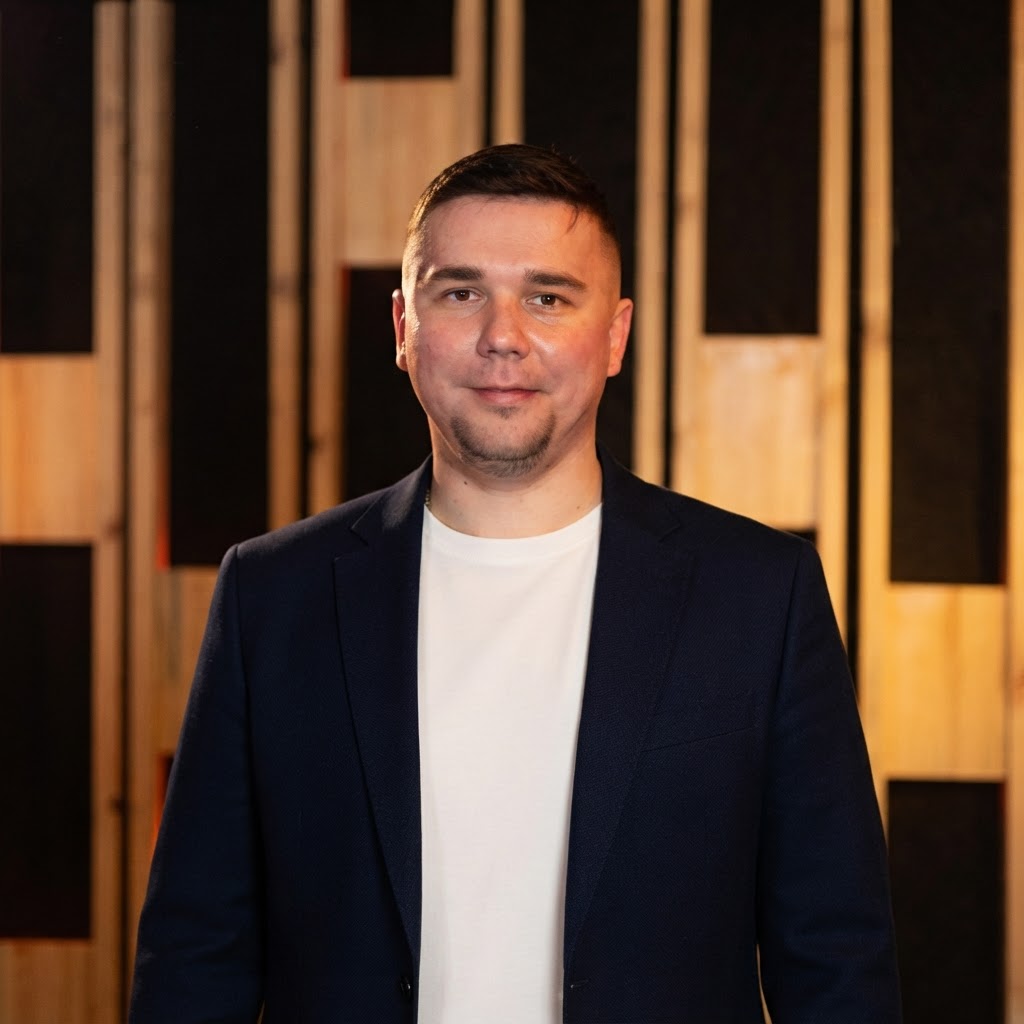
Pavlo Pavliv
CEO, Global Miltech Legal
Kyiv
Export process organisation · Contracts and international partnerships
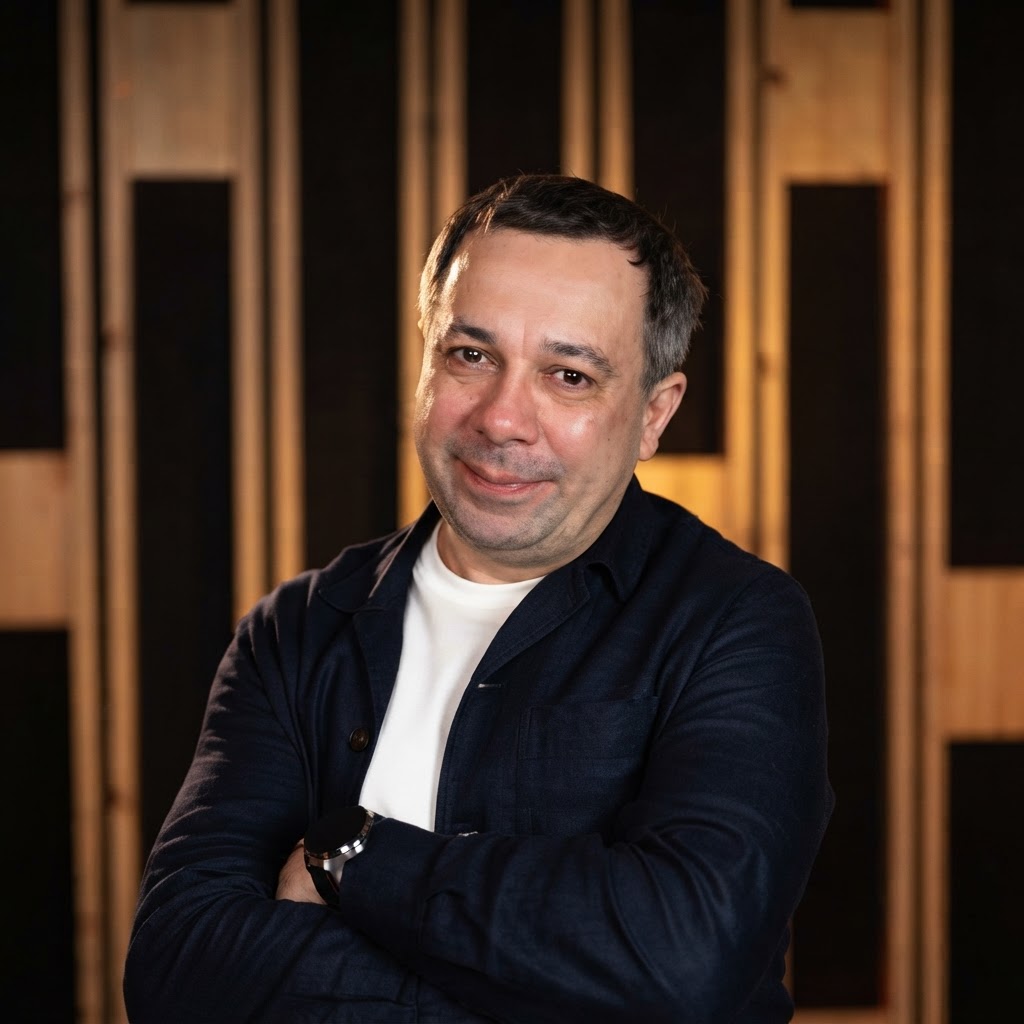
Oleh Diakiv
Co-founder · CEO of PARABELLUM
Lviv
Contracts with foreign buyers · End-user certificates, JV, licensing

Mariia Overchenko
International Business Development
Krakow
International business development · Entry into new international markets · Building strategic partnerships · Communication with international partners
Planning to export defence products?
Global Miltech Legal handles the full cycle — from SECS registration to crossing the border. The initial case assessment is free.
Get a consultation