How to Structure a Defence Joint Venture with a Ukrainian Manufacturer: A 7-Step Legal Guide (2026 Update)
Global Miltech Legal legal team
Experts in export control and defence law
Коротко
Structuring a defence joint venture in Ukraine requires a precise seven-step sequence: (1) rigorous KYC and sanctions screening, (2) export-control classification, (3) mandatory SSECU pre-approval before any technical data exchange, (4) selection of the corporate model, (5) a robust shareholder agreement covering IP and exit, (6) antitrust clearance, and (7) integration into Defence City or Brave1 incentive regimes. As of November 2026, new EU-Ukraine Strategic Defence Industrial Partnership funding—up to €1 billion—makes compliance with these steps critical for accessing capital.
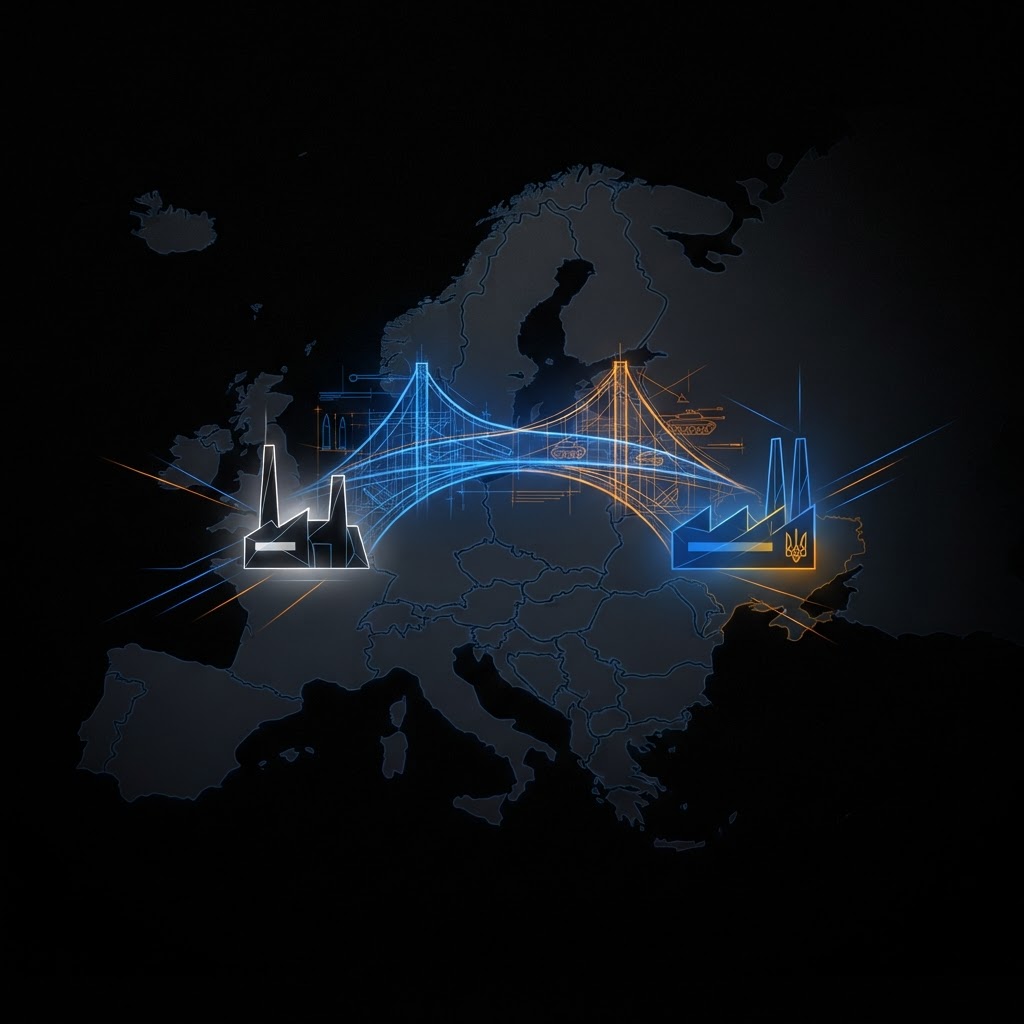
By late 2026, the integration of Ukraine’s defence industry with European partners has accelerated significantly. With the EU-Ukraine Strategic Defence Industrial Partnership now channeling up to €1 billion in loan-backed funding into joint production, the incentive to formalize JVs has never been higher. However, Western boards must navigate a complex regulatory environment. Done in the wrong order, a promising JV stalls for months—or triggers an export-control violation before the first prototype ships.
Step 1. Sanctions compliance and KYC — both ways
Ukrainian law requires confirmation that the foreign partner, its owners and beneficiaries are not sanctioned or linked to the aggressor state. Western partners should mirror this with their own ownership due diligence: 2026 enforcement trends, including the BIS Affiliates Rule and the persistent OFAC 50% rule, make ownership screening a board-level issue on both sides.
Step 2. Export-control assessment of the product
Before any interaction, classify the technical data, documentation and software against Ukraine's export-control regime—specifically the Law on State Control over International Transfers of Goods of Military Purpose and Dual Use. Note that as of July 2026, a special mechanism exists for 'Drone Deals' that may simplify exports for codified technologies, though SSECU oversight remains mandatory for all military-grade transfers.
Step 3. SSECU pre-approval — before the first drawing crosses the border
Sharing drawings, source code or technical consultations with foreign nationals legally equals a technology export. Until the State Service for Export Control of Ukraine (SSECU) issues its approval or conclusion, transferring technical materials is prohibited. This remains the single most common—and most expensive—mistake in Ukrainian defence JVs.
Step 4. Choose the partnership model
- Foreign partner acquires equity in the existing Ukrainian LLC.
- A new joint legal entity in Ukraine or in the partner's jurisdiction.
- Investment, venture or licensing agreement without a shared entity.
Step 5. The corporate agreement: IP, deadlocks, exit
Ukrainian companies are acutely concerned about IP leakage; Western partners worry about governance and audit capacity. A robust corporate agreement must cover governance, financing, IP ownership, and deadlock resolution. With the new EU-Ukraine Defence Industrial Pact drafting underway, ensure your IP clauses align with potential EU-funded project requirements.
Step 6. Antitrust clearance
Where Ukrainian state-owned enterprises participate, forming a new entity qualifies as a concentration requiring clearance from Ukraine's AMCU and the partner countries' competition authorities. Recent precedents show that early engagement with regulators is essential for projects involving dual-use technologies.
Step 7. Capture the incentives and EU funding
- Defence City residency: profit-tax exemption on reinvested earnings for companies with 75%+ qualified defence revenue.
- Brave1 platform: access to joint testing, MoD codification, and innovation grants.
- EU-Ukraine Strategic Defence Industrial Partnership: eligibility for the new €1bn funding facility for joint production and procurement.
The typical failure mode isn't a bad partner — it's a good partnership executed in the wrong legal order. SSECU pre-approval before technical talks is the rule that saves deals.
Bottom line
A defence JV sits at the intersection of sanctions, corporate, antitrust and export-control law in two jurisdictions. Global Miltech Legal runs the full sequence — from partner KYC to Defence City residency — and acts as the single legal interface between the Ukrainian manufacturer and the Western partner.
Часті питання
Can we review technical documentation before SSECU approval?
No. Transferring drawings, software or technical consultations to foreign persons legally equals a technology export and is prohibited before SSECU issues its approval. Structure an approval-first timeline.
How is Ukrainian IP protected in a JV?
Through the corporate agreement (ownership, licensing, non-transfer clauses) and by law: technology transfers under the export mechanism are use-only, re-exports need Ukraine's written consent, and modernised documentation flows back to Ukraine.
When is antitrust clearance required?
When state-owned Ukrainian enterprises participate in the JV, formation qualifies as a concentration requiring AMCU clearance plus the partner countries' competition authorities.
What is Defence City and can a JV benefit?
A special regime exempting reinvested profit from taxation for companies with at least 75% qualified defence revenue. A JV's Ukrainian entity can qualify if it meets the revenue test, confirmed by a certified auditor.
How does the new €1bn EU-Ukraine funding affect JVs?
The funding, channeled through the European Defence Industry Programme, is specifically designed to support joint production and procurement. JVs that are legally structured and compliant with Ukrainian export controls are better positioned to qualify for these funds.
Related services
Sources
- The Insider — Ukraine is becoming a key cog in Europe's defense industry
- LSE — Partnering with Ukraine: Rearming Europe through defence industrial cooperation
- Dual-Use by Design: Navigating Compliance in EU-Ukraine Tech Transfers
Our experts
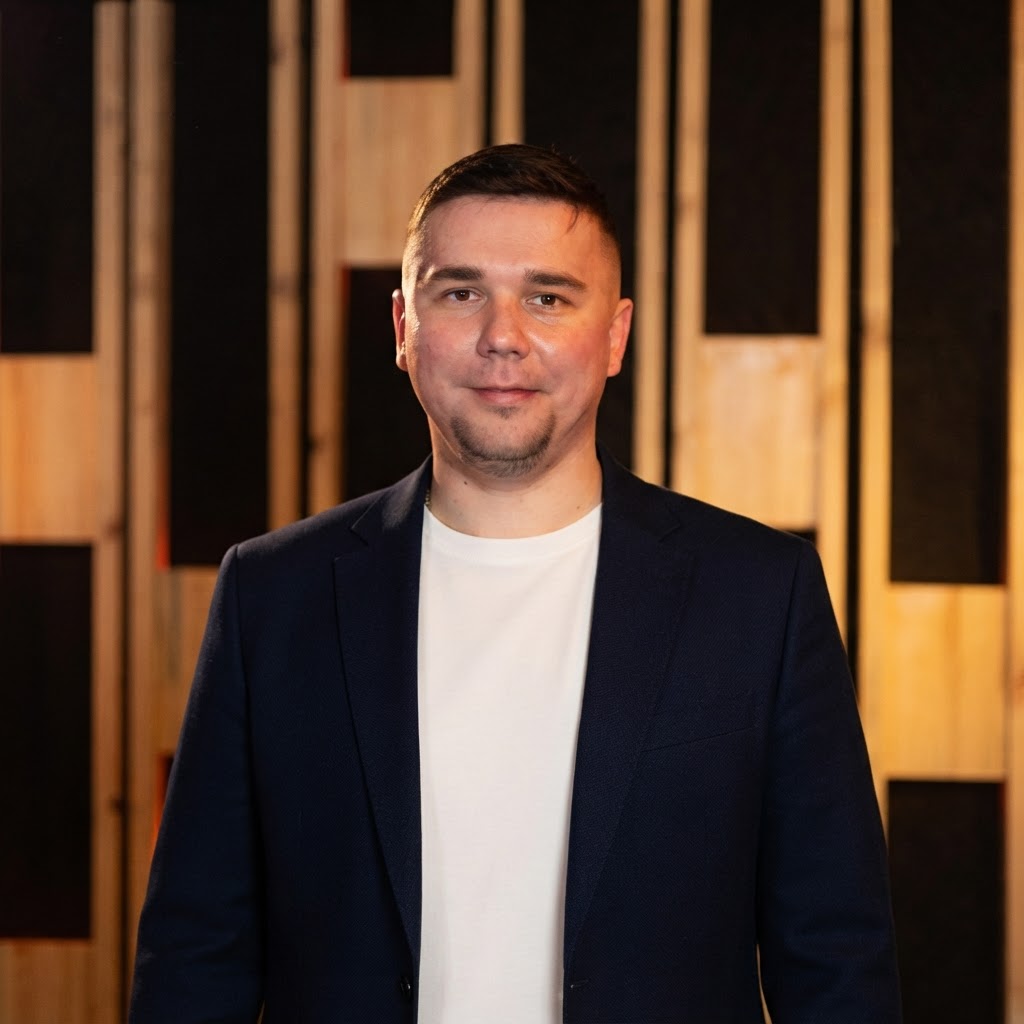
Pavlo Pavliv
CEO, Global Miltech Legal
Kyiv
Export process organisation · Contracts and international partnerships
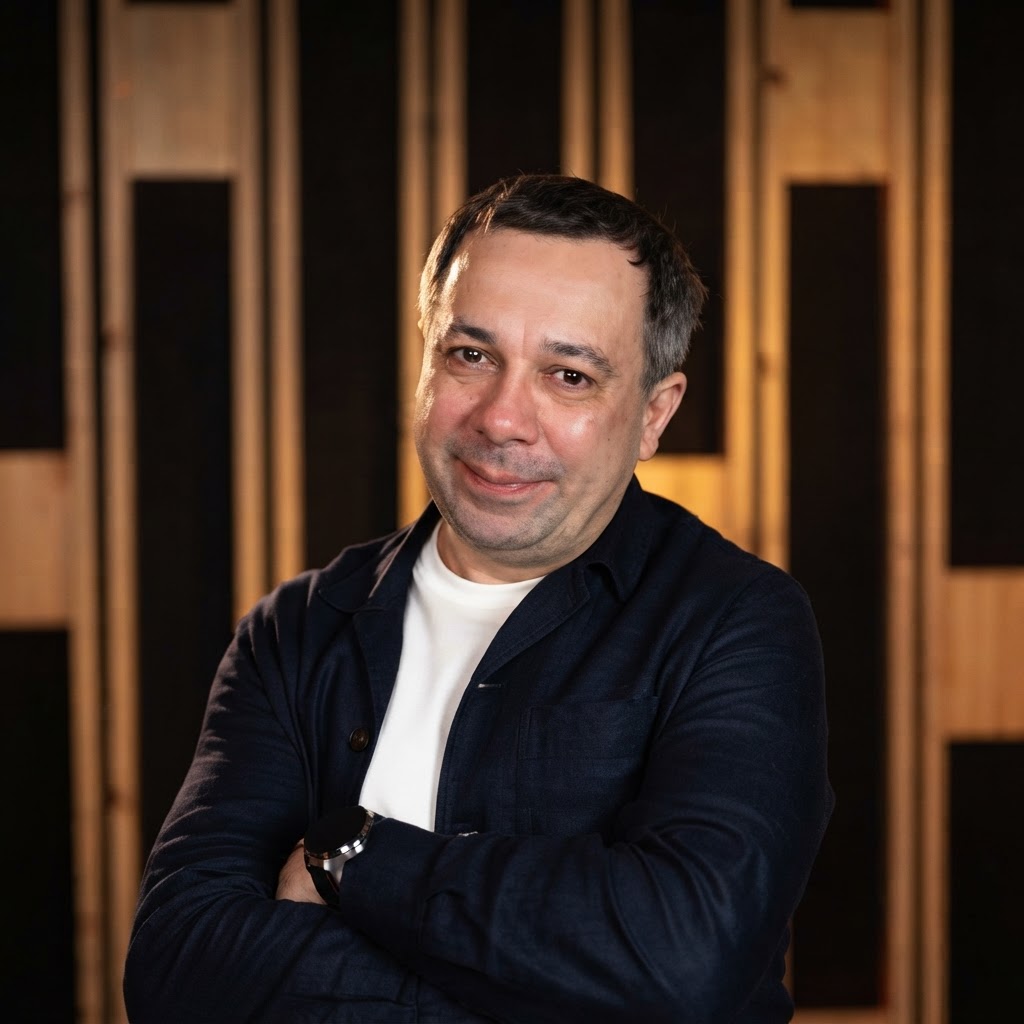
Oleh Diakiv
Co-founder · CEO of PARABELLUM
Lviv
Contracts with foreign buyers · End-user certificates, JV, licensing

Mariia Overchenko
International Business Development
Krakow
International business development · Entry into new international markets · Building strategic partnerships · Communication with international partners
Planning to export defence products?
Global Miltech Legal handles the full cycle — from SECS registration to crossing the border. The initial case assessment is free.
Get a consultation